Torn between Asheville and Hendersonville for your next move or mountain retreat? You are not alone. Both offer Blue Ridge beauty, great food, and quick access to trails, but they feel different day to day. In this guide, you will learn how the towns compare on lifestyle, housing, commute, outdoor access, and practical services so you can choose with confidence. Let’s dive in.
Quick snapshot: how they differ
- Asheville: Larger regional hub with a lively arts, brewery, and restaurant scene, plus strong healthcare and professional services. Expect more energy, events, and tourist traffic.
- Hendersonville: Smaller historic town with a quieter pace, community-focused events, and a higher share of retirees and second-home owners.
- Bottom line: Asheville offers more activity and urban amenities, often at higher prices in many neighborhoods. Hendersonville tends to deliver more space and value for single-family homes and acreage, with a small-town downtown feel.
Lifestyle and downtown vibe
Asheville: arts, food, and energy
Asheville is known for craft breweries, farm-to-table dining, galleries, and a full calendar of music and festivals. You will find walkable pockets in the core, especially around downtown, the River Arts District, and South Slope. Weekends can be busy, with visitor traffic near Biltmore and arts corridors. Housing close to the action often includes condos, apartments, and historic homes with smaller lots.
Hendersonville: small-town charm
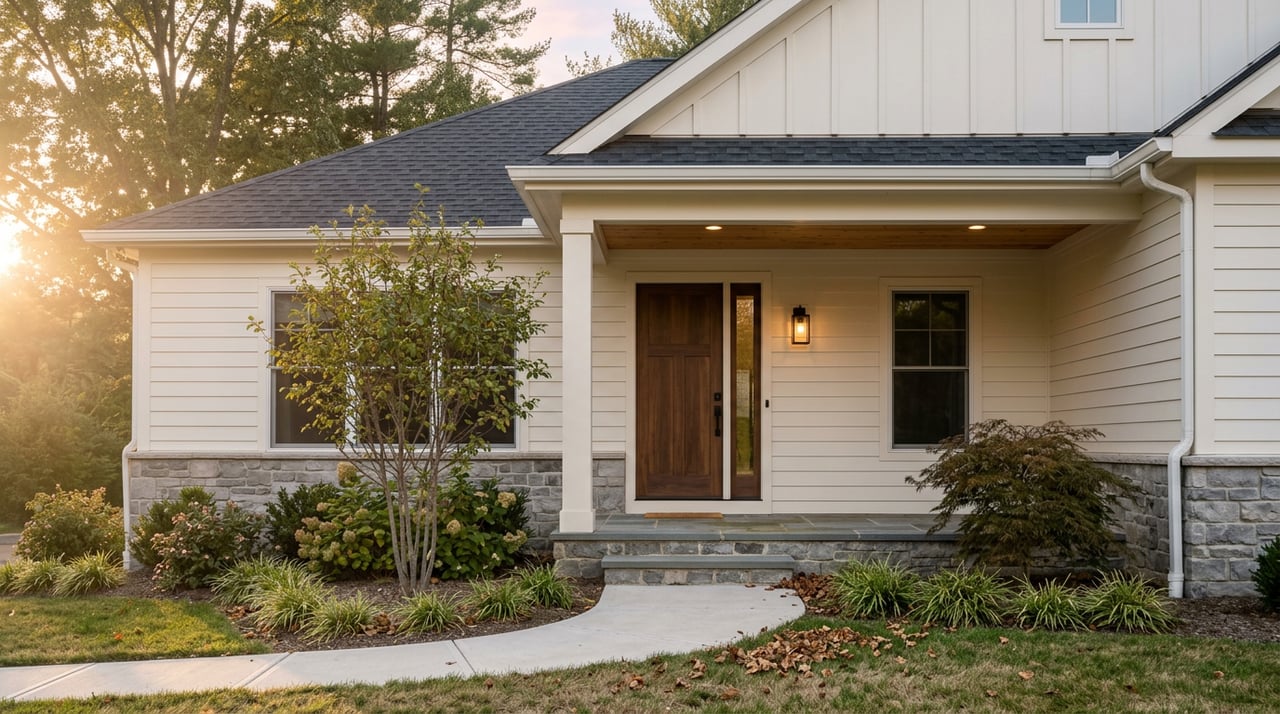
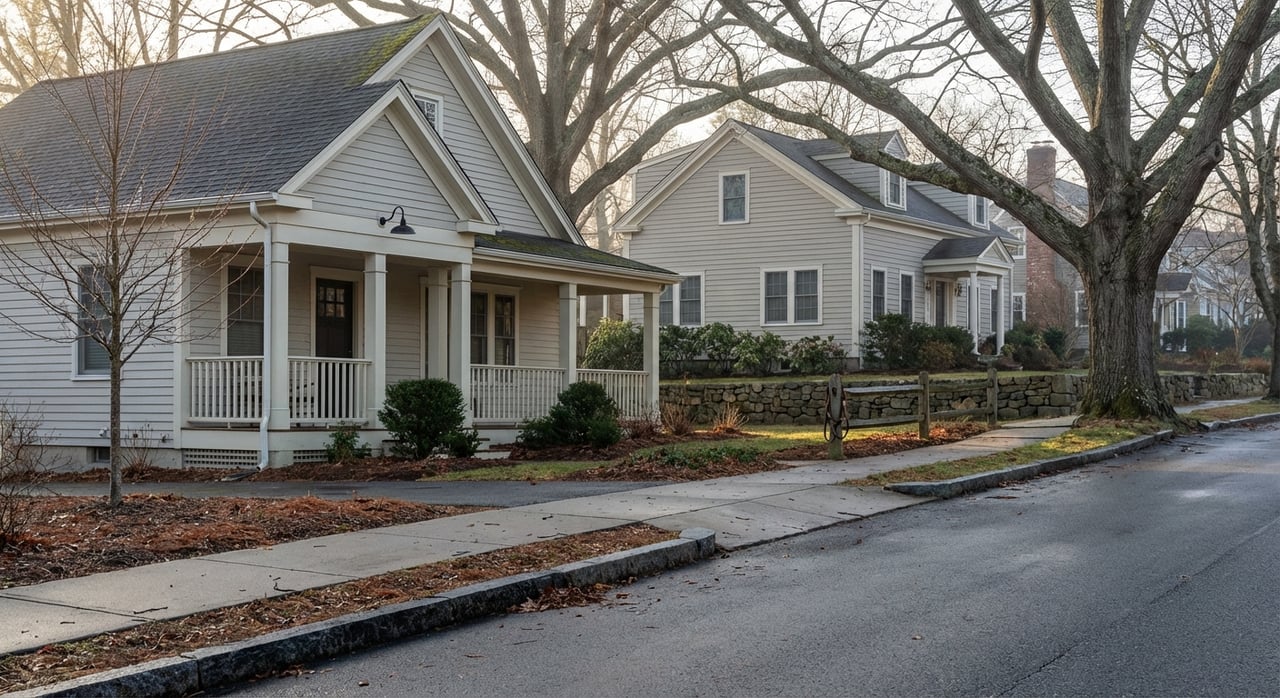
Hendersonville centers on a historic main street with independent restaurants, antique shops, and seasonal events like the Apple Festival. Evenings are quieter and programming tends to be community-oriented. You will see more single-family homes, larger lots, and a higher share of owner-occupied properties. Tourism is present but lighter overall, so parking and crowds are easier most weekends.
Housing, price feel, and costs
Inventory in Asheville has been tighter in recent years and prices generally higher than in Hendersonville. Many buyers find Henderson County offers more affordable single-family options and larger parcels. Still, both markets vary by neighborhood. Historic cores, arts areas near downtown Asheville, and Hendersonville’s in-demand pockets like Flat Rock can command premium pricing relative to outlying areas.
Asheville’s short-term rental market is larger and more regulated in some zones. If investment potential matters to you, review local ordinances before you shop. Property taxes and utilities are set at county and municipal levels, so total tax burdens and costs can differ between Buncombe and Henderson counties. Day-to-day expenses like groceries and services are broadly similar, though using Asheville’s many restaurants and specialty shops can raise discretionary spending.
Budget checklist:
- Compare recent sale comps by micro-neighborhood, not just by city.
- Review county and city tax rates, plus recent tax bills for similar homes.
- If you want acreage, factor in well/septic, driveways, and utility access.
- Considering a short-term rental? Confirm rules and permitting early.
Commute and getting around
Asheville sits at the I-26 and I-240 junction, with I-26 running south toward Hendersonville. A typical drive between the two downtowns ranges about 25–40 minutes in normal traffic. Congestion is common around the I-240/I-26 corridors near downtown Asheville and toward the airport during peak hours and busy tourist weekends.
Asheville’s ART system serves intra-city routes with limited regional options, but most residents drive. Walkability is highest in central Asheville neighborhoods and in downtown Hendersonville. Outside those cores, plan for car-dependent living. Asheville Regional Airport is the primary airport for the region with several direct routes, and Hendersonville residents have a short drive to reach AVL.
Outdoor access and recreation
Both Asheville and Hendersonville put you close to the Blue Ridge Parkway, Pisgah National Forest, and countless waterfalls and trailheads. You can fill every weekend with hiking, biking, and scenic drives.
- Asheville advantage: Fast access to a variety of trailheads, such as Bent Creek and stretches of the Parkway, plus river-based recreation along the French Broad and urban greenways.
- Hendersonville advantage: Quicker reach to DuPont State Recreational Forest, Chimney Rock, and Lake Lure area highlights. Buyers often find larger lots and wooded parcels, which can mean more privacy and, in some locations, trail access from home.
Both towns see heavier visitation in summer and during fall color. Winter weather can produce icy mountain roads. If you are new to the region, plan for winter driving and know where to access services during storms.
Schools, healthcare, safety, and daily services
- Schools: Asheville is served by Buncombe County Schools and Hendersonville by Henderson County Schools. Both counties offer a mix of neighborhood schools, magnet or choice programs, and private options. Review specific school report cards and boundaries to match your goals.
- Healthcare: Asheville functions as a regional healthcare hub with multiple hospitals and specialty centers. Hendersonville has local hospitals and medical centers and benefits from quick access north to Asheville for specialized care.
- Safety: Crime varies by neighborhood in both places. Downtown Asheville shows some higher property and violent crime metrics typical of denser urban cores, while Hendersonville trends lower in some categories consistent with a smaller town. Always review local statistics for areas you are considering.
- Everyday services: Asheville offers broader professional services, larger supermarkets, and more specialty retail. Hendersonville provides strong essentials, charming downtown retail, and larger shopping centers across the county.
Which town fits your lifestyle
- You want an urban feel and lively nights: Choose Asheville for a dense mix of dining, breweries, arts, and walkable pockets near downtown.
- You want more land and a quieter pace: Choose Hendersonville for larger lots, small-town downtown, and easier parking and crowds.
- You are a retiree or second-home buyer: Hendersonville often suits those prioritizing space, quiet, and value, with quick access to DuPont, Chimney Rock, and Lake Lure.
- You are a remote worker or creative: Asheville’s energy, coworking options, and amenities appeal to younger professionals and culture fans.
- You are outdoors-first: Both work well. Asheville gives variety and river recreation, while Hendersonville gives faster access to southern trail systems and waterfalls.
How to choose: a simple plan
- Visit both towns on a weekday, a weekend, and during a festival period to feel traffic, parking, and noise.
- Test your daily drive times during rush hour, including the I-26 and I-240 corridors.
- Map your routine: groceries, gyms, parks, and medical visits. See which side fits your flow.
- Verify total cost of ownership: taxes, utilities, HOA rules, and any well/septic needs.
- If you plan to rent seasonally, confirm short-term rental ordinances and permits before you write an offer.
- For land or steep parcels, assess access, driveway grades, and service availability.
- Get hyperlocal comps and neighborhood guidance from a trusted local team.
Ready to compare homes side by side or plan a scouting trip? The Boyd Mallett Group is a boutique, design-savvy team based in Hendersonville that serves Western North Carolina, including Asheville. We offer buyer representation, relocation support, and neighborhood intelligence so you can choose with clarity and confidence.
FAQs
What is the main difference between Asheville and Hendersonville?
- Asheville is a larger regional hub with a lively arts and dining scene and more tourism, while Hendersonville is a smaller historic town with a quieter pace and generally more single-family value.
How long is the drive from downtown Hendersonville to downtown Asheville?
- In typical conditions, the drive ranges about 25–40 minutes, with added delays during rush hours and busy tourist weekends.
Where will I get better single-family home value?
- Many buyers find Hendersonville and parts of Henderson County offer more land and lower entry prices, while Asheville’s in-town neighborhoods often command higher premiums.
Which town is better for short-term rental investing?
- Asheville has stronger short-term rental demand but stricter regulations and higher competition in some areas, so research local ordinances before you buy.
How do schools compare in Asheville and Hendersonville?
- Both counties offer neighborhood schools plus magnet or choice programs and private options; review specific report cards and boundaries for your needs.
What about healthcare access in both places?
- Asheville functions as the regional healthcare hub with more specialty centers, and Hendersonville residents can access local hospitals plus specialty care in Asheville when needed.
How does tourism affect daily life?
- Asheville experiences higher visitor traffic that can impact parking and crowds near downtown and attractions, while Hendersonville sees seasonal spikes, such as during the Apple Festival and fall color, but lighter overall pressure.