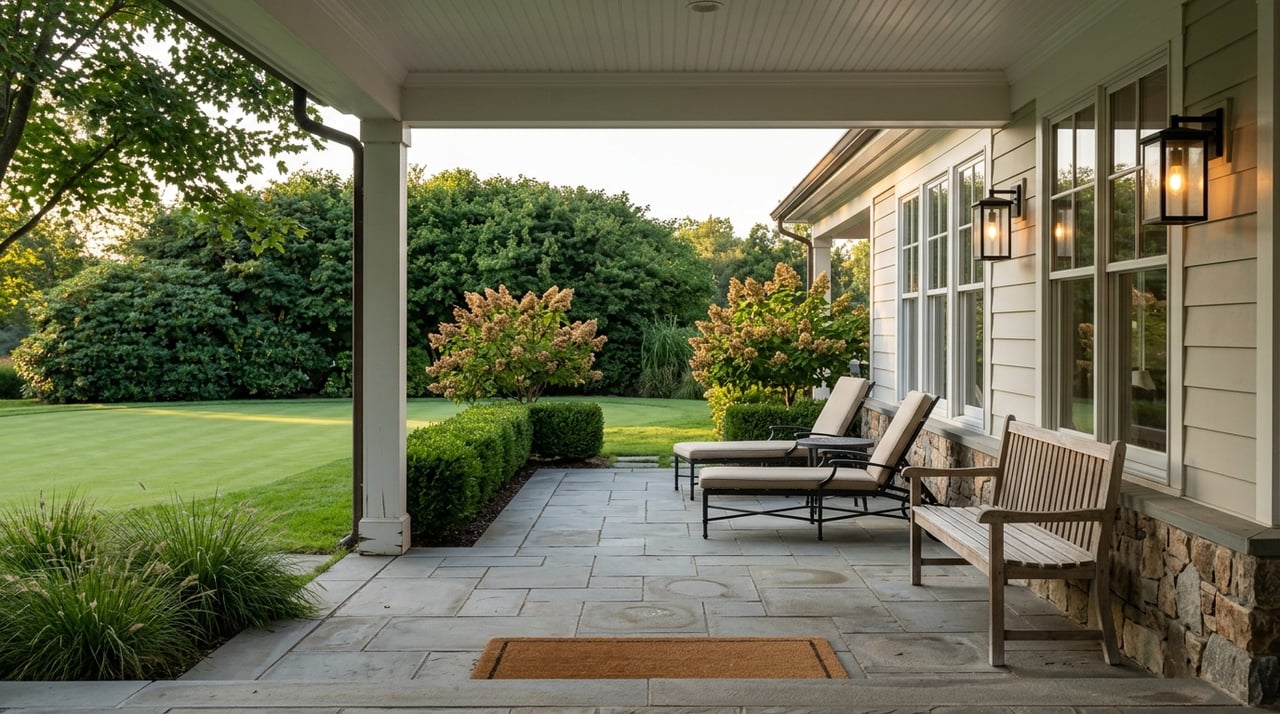
Champion Hills Golf Community Homes, Amenities, and Daily Life
July 2, 2026
July 2, 2026
Looking for a mountain golf community that feels private without feeling cut off? Champion Hills stands out because it blends a strong club lifestyle, a wide range of homes and homesites, and quick access to downtown Hendersonville. If you are weighing whether this community fits your next move, this guide will help you understand the homes, amenities, membership structure, and what everyday living really looks like. Let’s dive in.
Champion Hills is a private, member-owned golf club community in Hendersonville, North Carolina. It sits about 5 to 8 minutes from downtown Hendersonville and roughly 30 minutes south of Asheville, giving you a mountain setting with convenient access to daily needs, dining, and regional travel.
That location matters. You can enjoy a wooded, club-centered environment while staying close to Hendersonville’s historic downtown, shops, galleries, restaurants, events, and outdoor recreation. For many buyers, that balance is a big part of the appeal.
One detail that often surprises buyers is that Champion Hills is not a gated community. Instead, it operates as a private community with privately owned and maintained roads, and the property owners association oversees roadways, signage, lighting, security, and sewer service.
The community also has security patrols running 24 hours a day, seven days a week. That setup can appeal to buyers who want privacy and managed infrastructure without the feel of a traditional gated entrance.
Golf is the anchor of life at Champion Hills. The community’s Tom Fazio-designed course is a 6,718-yard, par-71 layout routed through forested hills, ravines, and streams, with level playing areas created across about 350 feet of elevation change.
The course is also a major reason many buyers put Champion Hills on their shortlist. Club materials say Golf Digest ranks it the No. 1 year-round course in Western North Carolina, and Golfweek includes it among the country’s best residential courses.
Just as important, the golf culture is not limited to highly competitive players. The club promotes beginner-friendly programs, clinics, and group play, which can make the golf experience feel more approachable if you are learning or returning to the game.
While golf gets much of the attention, Champion Hills offers a broader lifestyle package. The community includes a wellness center, fitness classes, a heated pool, hydro spa, lighted Har-Tru tennis courts, pickleball, bocce, an event lawn, walking trails, dining venues, and member groups.
For buyers who want activity options beyond the course, that range matters. You may have one household member who wants regular tee times and another who is more interested in trails, social events, fitness classes, or dining with friends.
The trail system is another standout feature. Official community information says Champion Hills has more than 17 miles of maintained trails, which adds a strong everyday outdoor component to the lifestyle.
In many club communities, the social side is just as important as the amenities themselves. At Champion Hills, farm-to-fork dining at the Mountain View Room and the Fazio Pub helps create regular gathering spaces for residents and members.
That can shape daily life in a meaningful way. Instead of driving out for every social plan, you may have built-in places to meet neighbors, attend events, or enjoy a casual meal close to home.
Champion Hills offers more variety than many buyers expect. Based on current community search pages at the time of research, visible single-family listings ranged from about $689,900 to $3.75 million and from roughly 2,298 to 7,357 square feet.
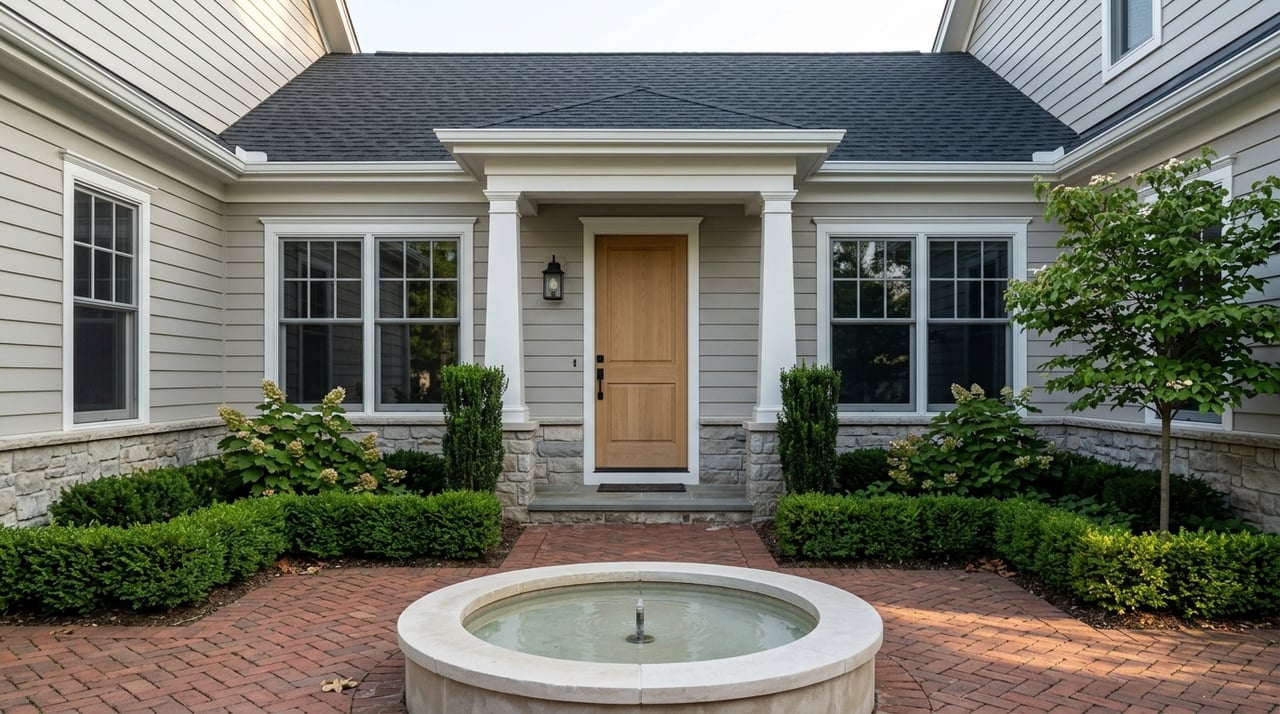
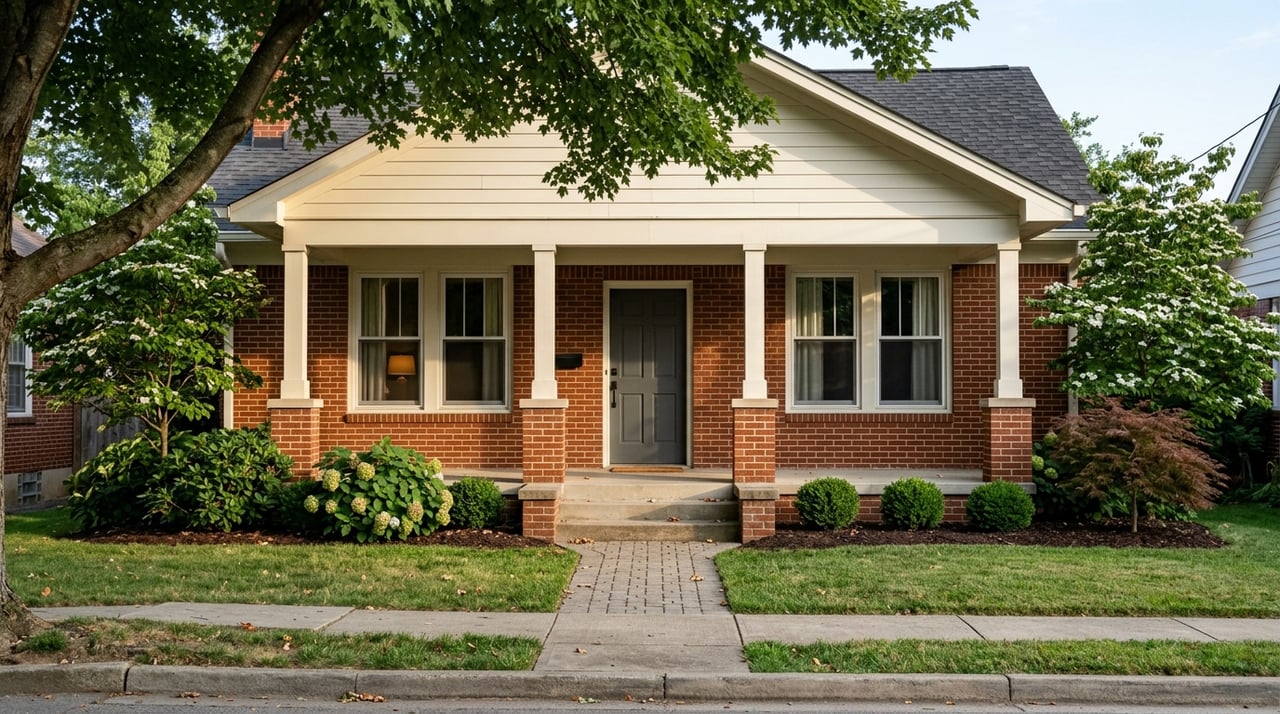
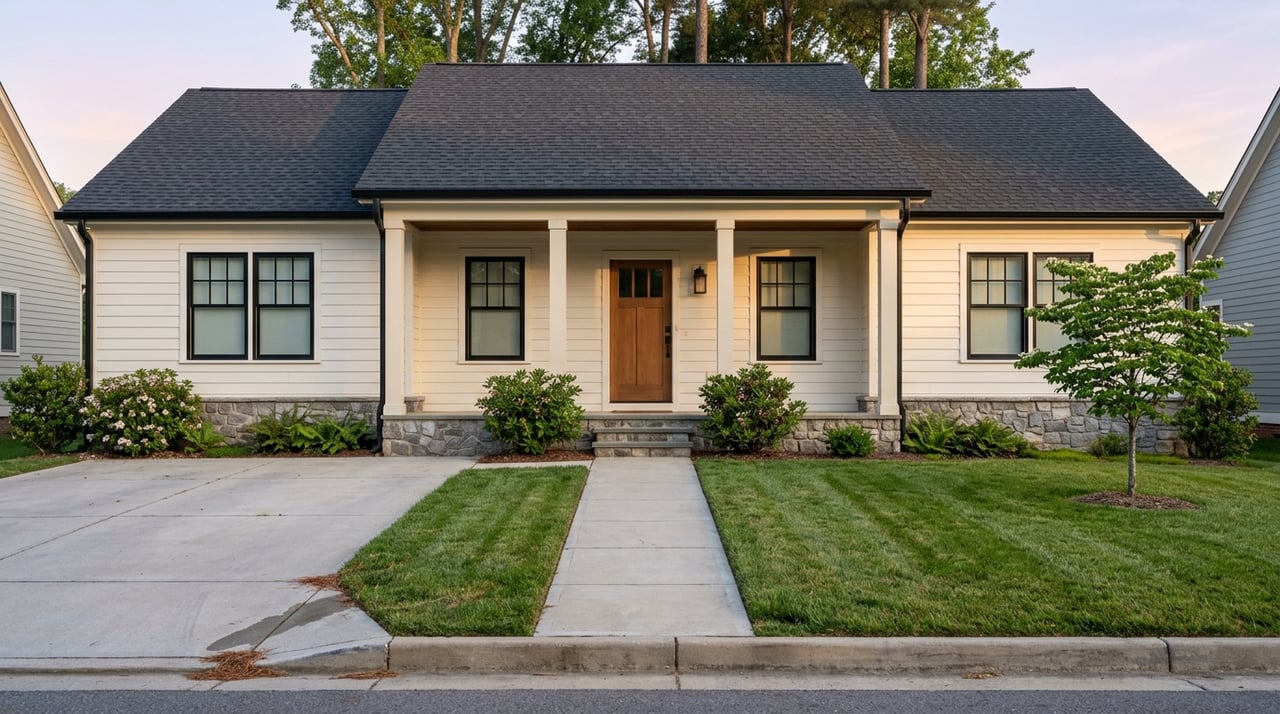
That spread suggests the community is not a one-note luxury enclave with only one home type. Instead, you will find a mix of sizes, styles, and price points within a private club setting.
The overall design character also has flexibility. The community’s design guidelines say no single architectural style is required, though the prevailing look is Southeastern Mountain Style with both traditional and contemporary elements.
If you are planning to build, Champion Hills offers a meaningful range of lot options. At the time of research, homesites shown on community search pages ranged from $10,000 to $635,000, with sizes from about 0.30 to 6.10 acres.
Those homesites can include wooded, gently sloped, mountain-view, forested, and golf-adjacent settings. That variety gives design-minded buyers more room to match a homesite to their goals, whether you want added privacy, a view, or close proximity to the course.
For single-family homes, the minimum living area is 2,000 square feet. The design guidelines also state that the structure may cover no more than 20 percent of the lot, which is important if you are evaluating how much outdoor space and visual separation you want.
Buyers who want a newer, more structured option may want to look at Chimney Crossing. This is a 14-home neighborhood of customizable two-unit villas located about a five-minute golf cart ride from the clubhouse.
According to the community, units start at $949,000. Each purchase requires Full Equity Golf membership, so it is important to factor both the property purchase and membership path into your decision.
If you are buying land for a custom home, the practical rules matter as much as the views. Typical setbacks are 50 feet in front and 25 feet on the sides and rear, while golf-course homes generally need a 50-foot setback or at least 35 feet from golf-course property.
Utilities are another key piece of the planning process. Champion Hills uses city water, a private POA-owned sewer system, and underground utility service, and natural gas is also available.
These details can influence design, cost, and timeline. If you are comparing existing homes versus a build, this is where experienced local guidance becomes especially valuable.
Champion Hills offers several membership paths, including Full Equity Golf, Equity 55 Golf, Annual Explorer, Social Equity, and National membership. Full Equity Golf includes complete access to all amenities, while Social Equity includes full dining privileges and limited golf access.
National membership is designed for people who do not own property in Henderson County. For property owners, the main takeaway is that your club experience can vary based on the membership category you choose.
Access is also structured. Non-members cannot freely use the club, and limited access requires Board of Governors approval.
The club says it caps membership at 285 golf memberships, 75 social memberships, and 25 national memberships. For some buyers, that controlled structure supports the sense of a more intentional and private club environment.
Champion Hills also appears to function as a true year-round neighborhood rather than only a seasonal retreat. One official community source states there are 355 homes and that more than 60 percent are full-time residences.
That can matter if you are looking for a lived-in community with steady activity throughout the year. It may also appeal to second-home buyers who want a place that feels established and active even when seasonal traffic changes.
Beyond the purchase price, buyers should understand the ongoing ownership framework. The POA oversees roads, security, and sewer, while the Architectural Review Committee reviews exterior changes.
If you are building new, there can also be sewer connection charges and a monthly sewer operating fee. These are the kinds of line items worth reviewing early so you can compare Champion Hills accurately with other golf or mountain communities.
Champion Hills can be a strong match if you want a private club setting with a recognized golf course, broad lifestyle amenities, and a location close to town. It may especially appeal to golfers, second-home buyers, retirees, and buyers who value custom home possibilities.
It can also work well if you want access to practical conveniences. Community materials note nearby hospitals including Pardee and Park Ridge, Mission Health about 30 miles away, and Asheville Regional Airport about 20 minutes away.
For many buyers, the best fit comes down to lifestyle priorities. If you want year-round golf, trail access, social opportunities, and a mountain setting that still keeps Hendersonville close at hand, Champion Hills deserves a serious look.
Champion Hills is not a simple one-size-fits-all neighborhood. The mix of resale homes, homesites, villa opportunities, design guidelines, membership options, and POA considerations means your best choice depends on how you want to live.
That is where a local, design-aware real estate team can help. Whether you are comparing lot potential, evaluating a resale home’s long-term value, or planning a remote move to Western North Carolina, clear guidance can save time and help you make a more confident decision.
If you are considering Champion Hills or comparing it with other Hendersonville-area golf communities, the Boyd Mallett Group can help you explore available homes, evaluate homesites, and navigate the details with a local, consultative approach.
Stay up to date on the latest real estate trends.
Having the great fortune to interact with highly intelligent and successful people over the years taught me the value of hard work and the importance of continually striving to learn more and do better for yourself and your community.
Address
512 N Main St
Hendersonville NC 28792