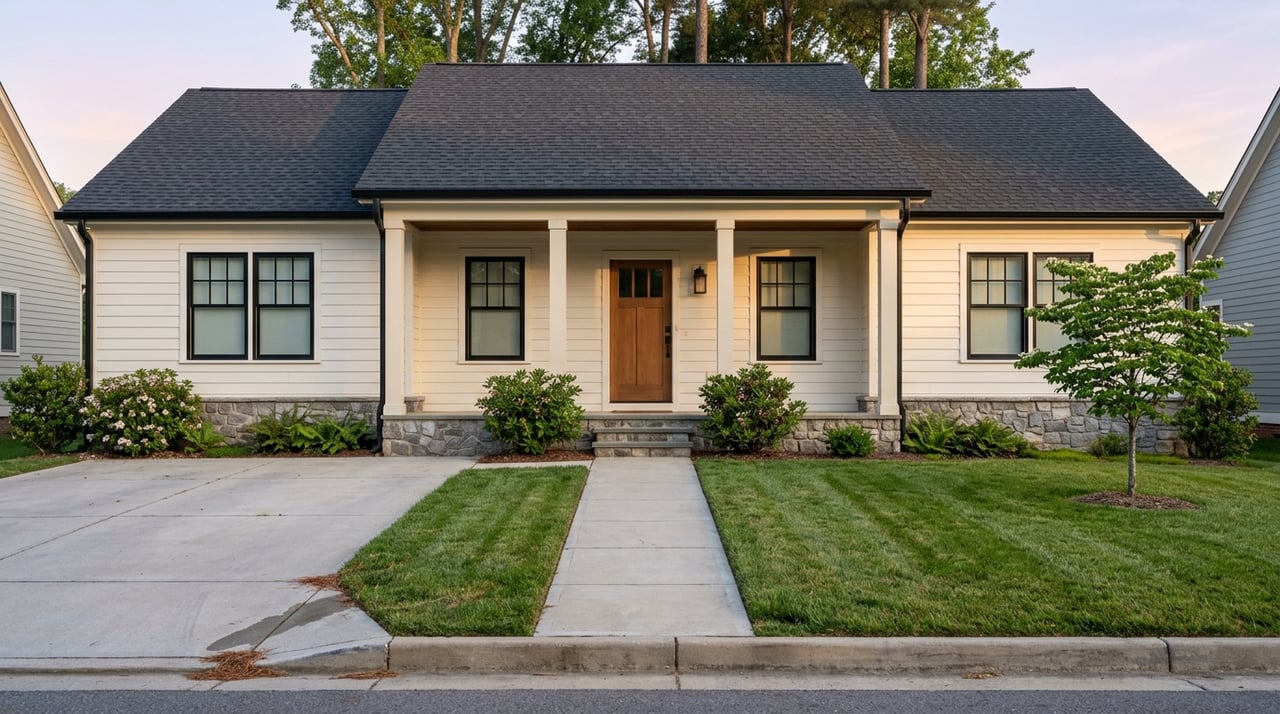
Asheville Mountain Living: What Daily Life Really Feels Like
June 4, 2026
June 4, 2026
If you picture Asheville as a quiet cabin town tucked deep in the woods, the reality may surprise you. Living here often means balancing mountain views and trail access with grocery runs, public transit, busy corridors, older neighborhoods, and real-world weather patterns. If you are considering a move, this guide will help you understand what everyday life in Asheville actually feels like so you can decide whether the fit is right for you. Let’s dive in.
Asheville is best understood as a mountain city, not a secluded retreat. The city had 94,589 residents in the 2020 census, and Buncombe County’s July 2025 population estimate reached 277,417, which gives you a sense of the area’s scale and activity.
That city feel shows up in daily convenience. You have access to restaurants, arts venues, greenways, public transportation, and a range of housing types, all within a setting shaped by ridgelines, trees, and changing elevation.
Asheville also leans into its urban forest. City materials describe trees as part of everyday life here, helping with shade, habitat, and summer cooling. That means mountain living in Asheville is not just about the views outside town. It is also about how nature is built into the city itself.
One of the biggest surprises for newcomers is how connected Asheville can feel. Buncombe County census profile data shows that 93.4% of households have a computer and 90.3% subscribe to broadband internet, which matters if you work remotely or want a flexible lifestyle.
You are also not limited to driving everywhere all the time. Asheville Rides Transit operates 18 routes throughout Asheville and to Black Mountain, with a $1 one-way fare. That is not the same as living in a major metro with rail service, but it does add practical options for day-to-day mobility.
At the same time, mountain geography still shapes your routine. A short trip on the map can feel different when roads curve, traffic builds during peak tourism periods, or weather shifts quickly across elevations.
In Asheville, outdoor access is not reserved for weekends. It often becomes part of your regular rhythm, whether that means a morning walk, a quick drive to a trailhead, or time on a greenway after work.
The Blue Ridge Parkway is one of the clearest examples. It runs 469 miles, is free to access, and has entrances and exits at major highways near Asheville. The Parkway Visitor Center and Folk Art Center near Asheville are open year-round, so the Parkway is not just a scenic postcard backdrop. It is part of the region’s lived experience.
Pisgah National Forest adds another layer. It spans more than 500,000 acres, with waterfalls, rivers, and hundreds of miles of trails, and one access point is less than 10 minutes from downtown Asheville. That kind of proximity changes how you think about free time.
The city also offers in-town options. Asheville manages about 9 miles of greenway, including the French Broad Greenway and the Wilma Dykeman Greenway, giving you easier access to walking, biking, and fresh air without leaving the city.
This is the part many glossy moving guides skip. Asheville is beautiful, but mountain living also comes with conditions you need to plan for.
The National Park Service notes that Blue Ridge Parkway traffic is heaviest in June, July, August, and October. If you love peak foliage or summer drives, you will likely share those roads with plenty of other people.
Weather matters too. Winter ice and snow can close sections of the Parkway, and mountain roads can change quickly depending on elevation and exposure. Even if you are not living in a remote area, it helps to think realistically about driving routes, road conditions, and seasonal patterns.
A realistic picture of Asheville right now should also include ongoing recovery in some areas after Hurricane Helene. Official updates indicate that some corridors are still in recovery or phased reopening, especially in the River Arts District and parts of Biltmore Village. That does not define the whole city, but it is part of the current landscape.
Asheville’s creative identity is not just for visitors. It shapes the city’s everyday feel, from public spaces to weekend plans.
The city’s public art program is designed to strengthen Asheville’s identity and support the creative sector that lives here. In practical terms, that means art is woven into the environment rather than kept separate from daily life.
The River Arts District remains a major part of that story. Official visitor information describes more than 300 local artists in 26 buildings, along with recurring Second Saturday art strolls. Current updates note that Upper RAD is open while the broader district continues to recover, which is important context if you are trying to picture the area accurately.
Downtown Asheville brings together galleries, live music, breweries, and restaurants, while the South Slope District offers a more maker-and-brewer feel. Official tourism materials say the South Slope includes nine of the city’s more than 40 breweries, which gives you a sense of how concentrated the scene can be.
Food is part of daily life here too. The current MICHELIN Guide Asheville page lists 15 restaurants, showing that the local dining scene reaches beyond casual mountain-town expectations.
For many residents, mountain living in Asheville feels most real in the smaller routines. A Saturday market run, a stop at a coffee shop, or a walk through a neighborhood commercial corridor can tell you more than a brochure ever will.
Farmers markets are a good example. The city promotes local markets and Double SNAP support, and the North Asheville Tailgate Market reports more than 60 vendors and over 40,000 annual customers. That kind of consistent participation says a lot about how local food and community gathering fit into everyday life.
These routines also help explain why Asheville appeals to a wide range of buyers. Some people are drawn by trail access. Others want neighborhood character, dining options, or a more connected lifestyle in the mountains.
Not all Asheville living feels the same. Your day-to-day experience can shift a lot depending on where you land, so neighborhood fit matters just as much as the home itself.
If you want energy and walkability, downtown and the South Slope may feel appealing. These areas put you closer to galleries, restaurants, music, breweries, and a more active street scene.
That convenience can come with a busier pace. If your ideal morning starts with quiet streets and easy parking, you may want to compare that urban rhythm with other parts of the city.
Montford sits just north of downtown and is both a local and national historic district founded in 1893. It is known for restored homes, eclectic businesses, and a mix of Victorian, Arts and Crafts, Shingle, Greek Revival, Queen Anne, and Colonial Revival architecture.
If you love older homes, Montford may be especially interesting. But historic character can come with extra planning if you hope to make exterior changes.
West Asheville is known for the walkable Haywood Road corridor and a blend of historic and newer buildings. You will also find eateries, coffee shops, breweries, and music venues that contribute to a strong neighborhood rhythm.
For some buyers, this area offers a balance of local business activity and residential living. It tends to appeal to people who want character and convenience without being right in downtown.
East Asheville is often described as residential and convenient to downtown. Visitor materials highlight areas such as Haw Creek, Beverly Hills, Chunn’s Cove, Riceville, and Oakley, and note that the area is typically a five- to ten-minute drive from downtown.
That can be attractive if you want easier access to the city while keeping a more residential day-to-day setting. As always, the feel can vary by street, topography, and housing type.
North Asheville is described in tourism materials as a short drive from downtown with quick Blue Ridge Parkway access. It is also home to anchors like the North Asheville Tailgate Market.
If you want a location that keeps both city amenities and outdoor access close at hand, this part of Asheville may be worth a closer look.
Biltmore Park is a newer mixed-use district that combines residences, businesses, schools, and retail. Buyers can find some of Asheville’s newer condos and townhomes there, which can be useful if you prefer lower-maintenance living or a more recently built environment.
Biltmore Village has long been a recognizable part of Asheville’s built environment, but it is also one of the areas where recovery and phased reopening remain part of the current picture after Hurricane Helene. That makes current, block-by-block insight especially valuable.
Housing in Asheville includes more variety than many buyers expect. Depending on the area, you may find historic homes, newer condos and townhomes, mixed-use living, and homes with room for flexible layouts.
The city also permits accessory dwelling units, including stand-alone backyard suites and spaces added into or onto a main house. In addition, Asheville’s missing-middle housing study focuses on forms like duplexes, triplexes, and townhomes. Together, those policies point to a housing landscape that is evolving, not frozen in one traditional pattern.
If you are shopping in older neighborhoods, design rules can matter. Asheville’s Historic Resources Commission preserves architectural character, and locally designated historic districts require design review for exterior changes. If you are thinking about renovation, that is an important detail to understand before you buy.
For pricing context, Buncombe County’s 2020 to 2024 census estimate shows a median owner-occupied home value of $391,800, a median gross rent of $1,362, and an owner-occupied housing rate of 66.2%. Those numbers do not tell you what every neighborhood or property type will cost, but they do offer a useful backdrop.
In real life, Asheville is less about isolation and more about balance. You get mountain access, trailheads, greenways, and scenic drives, but you also get city systems, neighborhood variety, traffic patterns, renovation rules, and active commercial districts.
That balance is exactly why Asheville works for so many different kinds of buyers. You can look for walkability, a design-forward older home, a newer condo or townhome, easier access to downtown, or quicker routes to the Parkway and Pisgah.
The key is to match the lifestyle you want with the part of Asheville that supports it best. If you are relocating, buying a second home, or simply trying to narrow your options, local neighborhood knowledge can make the picture much clearer.
If you want help comparing Asheville neighborhoods, understanding housing options, or finding the right fit for your lifestyle, the Boyd Mallett Group offers thoughtful, high-touch guidance across Asheville and Western North Carolina.
Stay up to date on the latest real estate trends.
Having the great fortune to interact with highly intelligent and successful people over the years taught me the value of hard work and the importance of continually striving to learn more and do better for yourself and your community.
Address
512 N Main St
Hendersonville NC 28792