Hendersonville Neighborhoods Guide: In-Town vs. Outskirts
June 11, 2026
June 11, 2026
If you are torn between the buzz of downtown and the breathing room outside town, you are not alone. Many Hendersonville buyers are trying to answer the same question: do you want daily convenience and walkable energy, or more space and a quieter setting? The good news is that Hendersonville offers both, and the right fit usually comes down to how you want your everyday life to feel. Let’s dive in.
Hendersonville city is relatively compact, with an estimated 15,656 residents in 2024 across 7.41 square miles. Henderson County is much larger, with 120,771 residents spread across 372.95 square miles. That difference shapes the experience in a very real way.
In town, homes, restaurants, errands, and events sit closer together. Outside the city core, the landscape opens up, housing is generally lower density, and day-to-day life often feels more spread out. For many buyers, this is less about right or wrong and more about what kind of rhythm fits you best.
If you like the idea of being close to shops, dining, and community events, in-town Hendersonville has a strong case. Downtown Hendersonville is part of North Carolina’s Main Street program, and the city describes it as a place with an authentic small-town atmosphere, a strong pedestrian experience, and multiple options for urban living.
That matters because lifestyle is not just about the house itself. It is also about what happens outside your front door. In-town living can make it easier to enjoy recurring local events like the Farmers Market, Rhythm & Brews, the Bearfootin’ Art Walk, holiday celebrations, and other public activities.
For buyers who want to feel plugged into the community, downtown can offer a more social and spontaneous way of living. You may be able to walk to dinner, browse local businesses, or head to an event without much advance planning.
That said, downtown Hendersonville is not a no-car lifestyle. The city’s parking system includes 265 paid on-street spaces and a 253-space parking deck, with free parking outside paid hours and on Sundays and city holidays. So while the area is pedestrian-friendly, you should still expect to use a car for part of daily life.
A major draw near downtown is housing character. The Hendersonville Historic Preservation Commission identifies eight historic districts in and around the core, including Main Street, West Side, Hyman Heights, Cold Spring Park, Lenox Park, 7th Avenue Depot, Druid Hills, and Oakdale Cemetery.
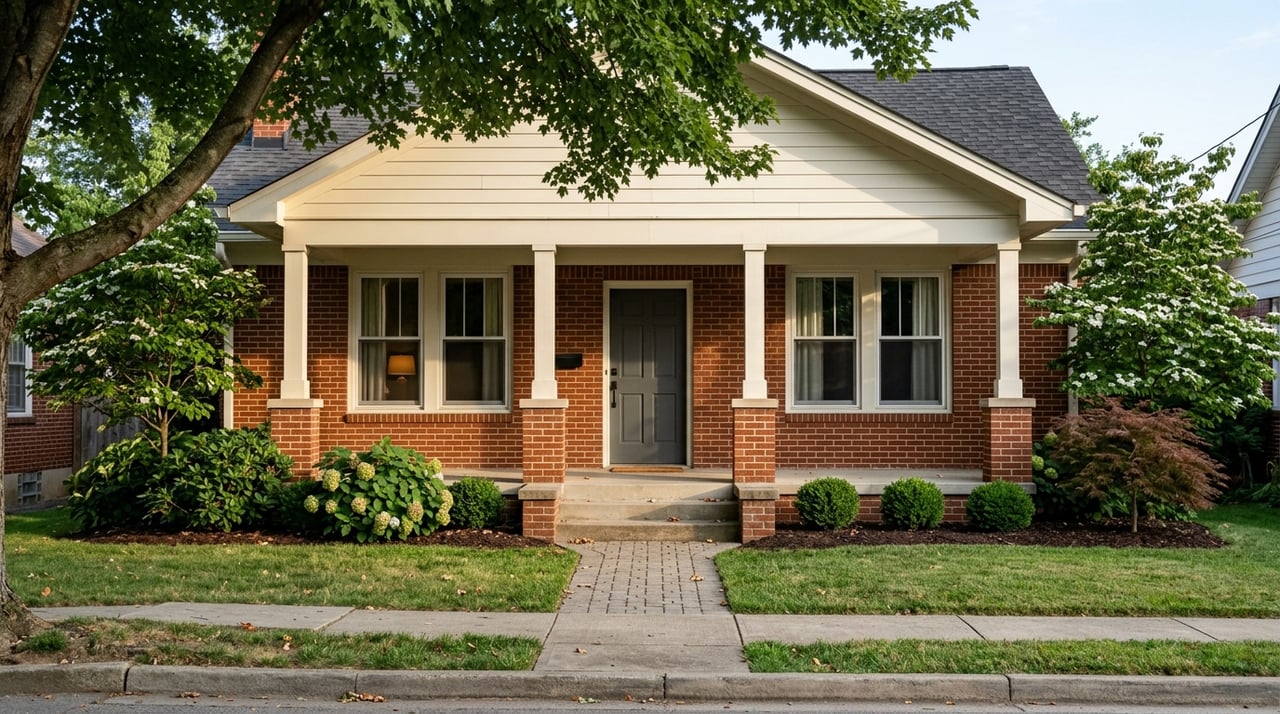
These established areas help explain why in-town homes often feel distinct from newer suburban development. Depending on the neighborhood, you may find bungalows, cottages, ranch homes, Colonial Revival homes, Four Square homes, and some apartment buildings or other multi-family options.
Choosing in-town living does not mean giving up outdoor recreation. The Ecusta Trail has a downtown Hendersonville trailhead, making it part of the city-center experience.
That gives you a direct connection to a trail that runs toward Horse Shoe and is expected to extend 19.4 miles to Brevard. For buyers who want a blend of walkability and recreation, that is a meaningful advantage.
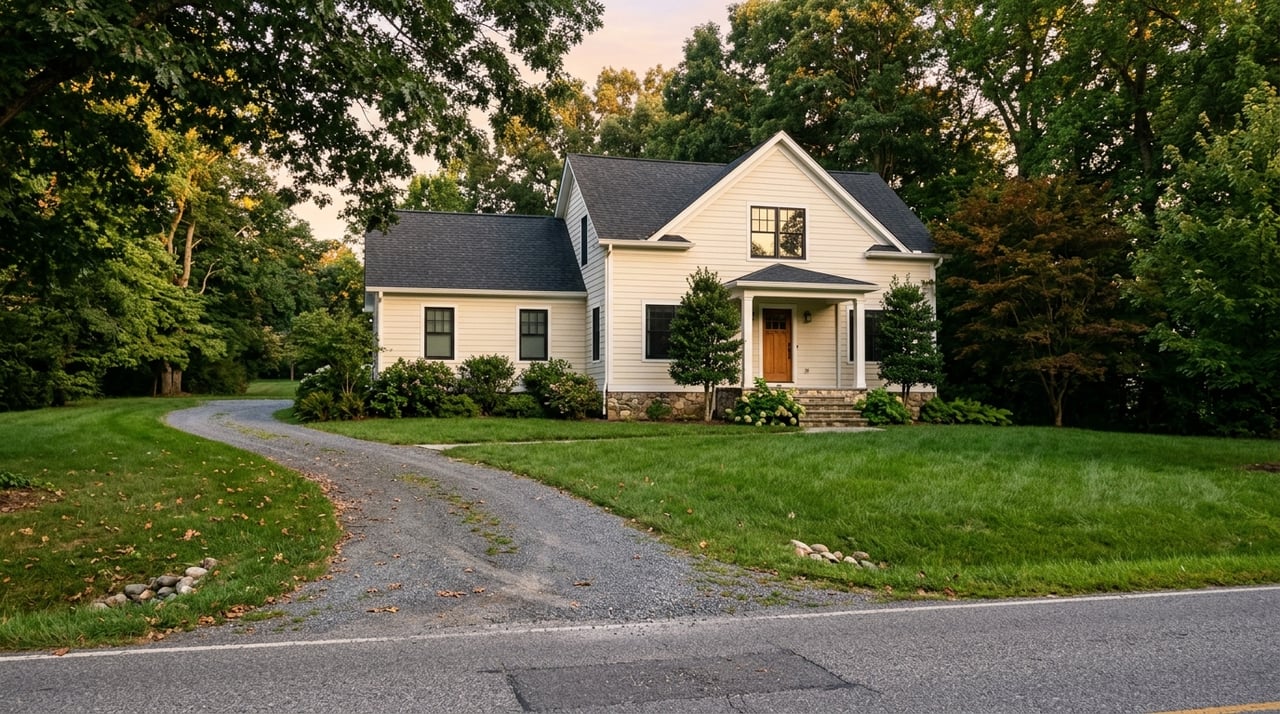
If your priority is privacy, yard space, or a quieter setting, the outskirts of Hendersonville may feel like a better fit. Outlying areas tend to offer a more rural atmosphere, with homes and amenities spread farther apart.
This pattern is reflected in Henderson County itself. Parks and recreation facilities are distributed across places like Flat Rock, East Flat Rock, Etowah, Fletcher, Edneyville, and Gerton, which shows how life outside the city center is often more dispersed and park-oriented.
County land-use guidance helps explain why outskirts living often feels roomier. In Rural/Urban Transition areas, residential density limits are described at about two dwelling units per acre, and potentially around one dwelling unit per acre where sewer service is not available.
That does not mean every home outside town sits on a large piece of land. It does, however, support the common expectation that homes beyond the core are often in lower-density settings, with a greater chance of larger parcels, more separation from neighbors, or lower-density subdivisions.
For many buyers, moving outward is about more than square footage. It is about being closer to a more open landscape and having nature woven into your routine.
The surrounding area offers strong access to recreation. Carl Sandburg Home National Historic Site is about three miles south of Hendersonville in Flat Rock, DuPont State Forest is about 15 miles away, and Pisgah National Forest includes more than 500,000 acres with hundreds of miles of trails, waterfalls, and forested land.
More space usually comes with more separation from downtown amenities. If you live outside the core, you may trade quick access to restaurants, events, and errands for quieter streets and a more rural feel.
For some buyers, that tradeoff is exactly the point. For others, it can feel less convenient over time. The key is to think honestly about what you want your average weekday to look like, not just your ideal weekend.
A few local data points help show how these lifestyle differences can play out. Hendersonville city has an owner-occupied housing rate of 46.1%, while Henderson County is at 75.0%.
The median value of owner-occupied housing units is $317,000 in the city and $351,400 in the county. Mean travel time to work is 19.2 minutes in the city compared with 22.5 minutes countywide.
Taken together, those figures support a practical pattern. In-town living may come with shorter drives and a wider mix of housing types, while living farther out often leans toward owner-occupied homes in lower-density settings and slightly higher home values.
The most helpful way to think about Hendersonville is as a spectrum, not a strict split. You do not have to choose between two extremes. Some buyers want to be close to downtown without being in the middle of it, while others want a rural setting with a reasonable connection back to town.
As you weigh your options, focus on how you want your home to support your lifestyle.
One of the biggest mistakes buyers make is focusing only on the property and not enough on the pattern of daily life. A charming in-town bungalow and a peaceful home outside town can both be great choices, but they support very different routines.
That is where local guidance matters. When you understand how Hendersonville’s neighborhoods, historic districts, and outlying communities function in real life, it becomes much easier to narrow your search and buy with confidence.
Whether you are drawn to downtown energy, a more rural edge, or something in between, the right move starts with a clear picture of how you want to live. If you want personalized guidance as you compare Hendersonville neighborhoods and nearby communities, connect with Boyd Mallett Group for a thoughtful, local-first conversation.
Stay up to date on the latest real estate trends.
Having the great fortune to interact with highly intelligent and successful people over the years taught me the value of hard work and the importance of continually striving to learn more and do better for yourself and your community.
Address
512 N Main St
Hendersonville NC 28792